

Have you heard of a data broker? But you don’t know exactly what that means? Or who they are? If so, you are in good company. Up until last year, I wouldn’t have known either. It’s a subject most of us have heard of, but maybe don’t really understand. However, having done some research, I will shed some light on the topic.
Understanding the industry can be hard. When you don’t know exactly what something means, it is easy to get lost in the world. In this article, we will look at what data brokers are so you can learn. By the end of the article, it might have helped you consider if they might benefit you and your business. We will cover the different data that different industries and countries use and who uses data brokers. The article will also look at where to find a data broker and the importance of GDPR compliance. This last one is a big one. It is vital you completely understand the reasons why any data you handle, must be GDPR compliant.
What is a Data Broker?
A data broker is a company that buys and sells data. Specifically marketing data. They are in an industry that is ever-growing. Sometimes, a data broker is referred to as an information broker. They do not have direct contact with those from whom they collect data. Instead, they collect their data through the internet. Alternatively, some data brokers buy information from other companies.
The main way data brokers collect data is through our internet activities. Have you ever clicked on a site and had to accept cookies in order to view the content? The answer is probably yes. Because sites require consent to place certain cookies onto our browsers.
When you accept those cookies, they can track you. Tracking cookies log your activity. There are different types of cookies, so if you are interested, you can read further into them here. Once they track your activities and other sites you visit, a profile is created. These profiles are what become the product that data brokers can sell.
There are lots of different types of data that data brokers buy. But the aim is to sell it on, to third parties who will then use it in whatever way they please. Those who buy the data lists can use the information to target their advertisement. The data is meant to aid marketing. It enables brands to reach their target audience and improve sales.
There Are Different Types of Data Broker
When you shop for your food, you don’t head to the clothing stores. That is because you know that each shop in town sells different things. Specific items can be found in specific places. So, you wouldn’t waste your time searching for something in the wrong place.
Data brokering is the same. There are different niches. Different data brokers offer different data. And where you look, completely depends on what you are looking for.
The different industries require different kinds of information. A business in home appliances doesn’t necessarily need to know someone’s holiday plans. Whereas a hotel branch might. Brands in hospitality could want something completely different out of their purchased data than a tech company.
Different countries might also want different data. A data list can be very subject-specific so companies can get the best out of their data.
Who Uses Data Brokers?
Who uses a data broker? A valid question. Hopefully, you now understand the basics of what a data broker is. Now you also understand what it is that they do. But you might not know who would buy the data from them.
All businesses use and deal with data. But many businesses go beyond their competition and buy data to market their advertising more effectively. Businesses that are looking for further growth can invest. It could be investing in a telemarketing campaign, or an email marketing campaign or another form of marketing. But to start these campaigns, you need an audience to contact.
This is where a data broker comes in. They supply you with the data lists, with names, contact details and other information. This allows you to ring or email with ease. As the lists are made up of profiles, the contacts are more likely to be interested in what you sell. Hence why data lists can be more efficient and fruitful, than if you were to ring people without an idea.
Not to mention you can save a significant amount of time and resources by purchasing a data marketing list.
There are different types of data lists that you can buy. A B2B marketing list is business to business. Whereas a B2C marketing list contains business to consumer data.
Where To Find a Data Broker
Your immediate point of call when looking for a data broker is the internet. It is an obvious one. Do some research, shop around online and look for someone who deals with data in your industry. But whilst you are doing this, bear a few things in mind.
You could consider a local marketing agency. This not only helps you work more effectively, but it also creates contacts for you.
It is also supporting your local economy, which is something all good businesses should aim for.
In our most recent post about how to build a website, we talk about the benefits of hiring a local agency. All of the aspects mentioned are relevant here too. We also have a whole article all about why you should use a local marketing agency. It is worth a read, so you can understand how you can benefit your area.
You could also consider us. At AccuraData, we sell marketing data lists. Specifically, B2B lists in telemarketing, email data and energy renewal data. If you are interested in buying data from us, get in touch. We are more than happy to help, and we can give you high-quality data without risks.
How Information Brokers Segment and Package Data for Buyers
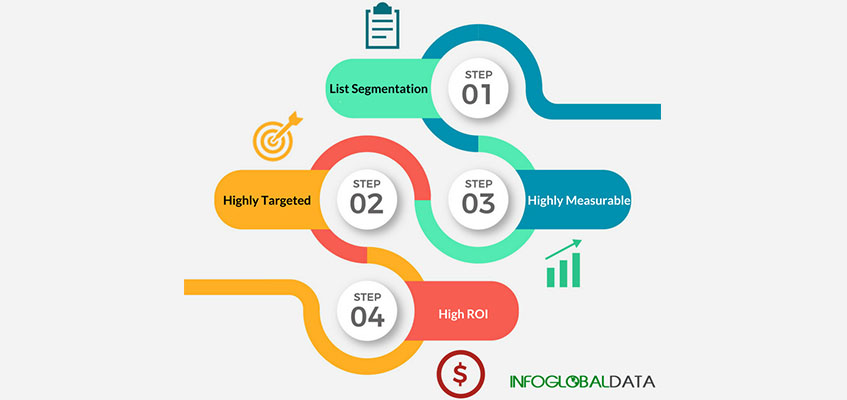
To fully understand what a data broker is, it is important to look at how data is actually structured and delivered to buyers. Data brokers, sometimes referred to as information brokers, do not simply sell large, unorganised lists of contacts. Instead, they segment and package data in ways that make it more usable for marketing campaigns.
A professional UK data broker will typically organise data using a wide range of filters. These can include industry, company size, location, turnover, job title, and seniority. This level of segmentation allows businesses to target very specific audiences, rather than sending broad and less effective campaigns.
For example, instead of contacting all businesses within a region, a buyer can request data that focuses only on decision makers within a particular sector. This improves relevance and increases the likelihood of engagement. Data brokers UK often enhance this further by offering tailored datasets based on campaign objectives.
Understanding how data is segmented is essential for buyers. It allows you to assess whether the data being offered aligns with your ideal customer profile. A strong data broker such as AccuraData will work closely with clients to refine these criteria, ensuring that the data is not only accurate, but also highly targeted and suitable for the intended campaign.
The Role of UK Data Brokers in Supporting Multi Channel Marketing
Another important aspect to consider when asking what are data brokers is how they support modern multi channel marketing strategies. Today, businesses rarely rely on a single communication method. Instead, campaigns often combine email marketing, telemarketing, and other outreach channels.
A reliable data broker plays a key role in enabling this approach. By providing datasets that include multiple contact points, such as email addresses and phone numbers, businesses can reach prospects through different channels and reinforce their messaging.
This is particularly valuable in B2B marketing, where decision making processes are often complex and involve multiple touchpoints. For example, a prospect may first engage with an email, then respond to a follow up call, and later convert after further communication. Data brokers UK support this journey by supplying the contact data needed to maintain consistent engagement.
It is also important that the data is structured correctly for use across different platforms. A professional UK data broker will ensure that the data can be easily integrated into CRM systems and marketing tools, allowing campaigns to run smoothly.
By working with an experienced provider such as AccuraData, businesses can use data more effectively across multiple channels, increasing both reach and overall campaign performance.
Understanding the Differences Between Data Brokers and In House Data Collection
When exploring what is a data broker, it is also useful to compare this with building data in house. Both approaches have their place, but they serve different purposes and come with different advantages.
Collecting data internally often involves generating leads through website forms, content downloads, or direct enquiries. While this data can be highly valuable, it typically takes time to build and may be limited in scale. For businesses looking to grow quickly or enter new markets, relying solely on in house data can restrict opportunities.
In contrast, data brokers provide immediate access to large volumes of targeted data. This allows businesses to launch campaigns quickly and reach new audiences without the delay of building their own database from scratch. Data brokers UK are particularly useful for businesses that want to expand into new sectors or test new markets efficiently.
However, it is important for buyers to understand how to use both approaches together. In house data can be used to nurture existing relationships, while brokered data can support outbound activity and lead generation. This creates a more balanced and effective marketing strategy.
Information brokers such as AccuraData can support this process by providing high quality external data that complements your existing database. By combining both sources, businesses can maximise their reach, improve targeting, and create more consistent marketing results.
The Importance of GDPR Compliance
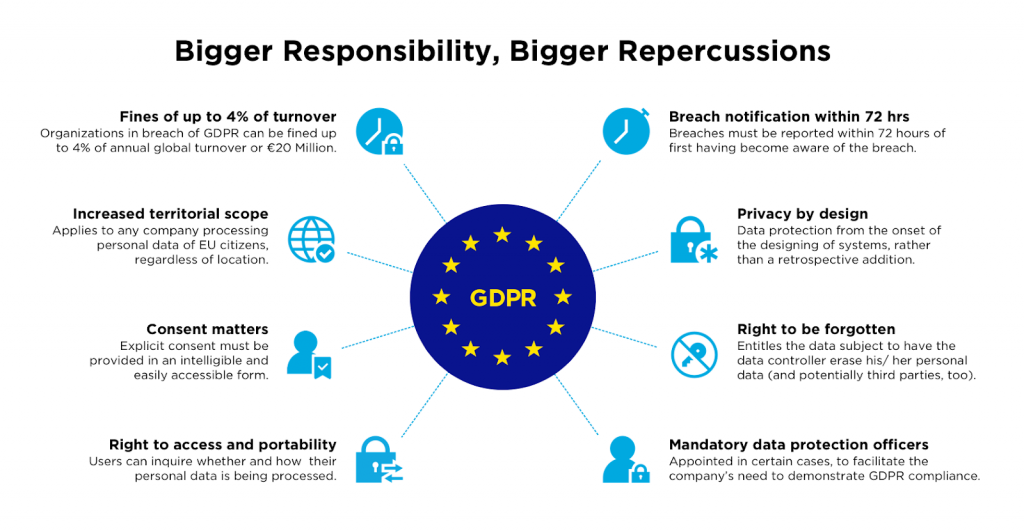
What risks are there? GDPR. If you haven’t heard of it before, it stands for general data protection regulation. It is a policy that was put in place in 2018 as a part of the Data Protection Act.
GDPR compliance is all about protecting privacy. It is crucial you follow the law in order to keep people’s private information private and to avoid hefty fines. If you end up buying poor quality data lists, you could purchase DNC data. This is ‘do not call’ data. If you do call a contact from this list you risk fines and legal issues.
We offer a service without risks, as we are happy to supply you with our compliance information. On request, we will send you our documents, so you can be sure of the quality and have confidence in us.
There is also an article on our blog about how to source GDPR compliant B2B marketing lists. If you would like to understand GDPR in more depth, have a read.
Conclusion
Hopefully, you now feel you understand what a data broker is and what they do. If you are interested in working with a data broker and purchasing a list, consider all the factors mentioned above. Remember GDPR compliance is vital. Using a local agency could be great and know what you are looking for before you start your search.