

Unlock the power of mailing lists to skyrocket your marketing strategy! Discover how mastering this tool can elevate your outreach and engagement today!
Understanding the Importance of Mailing Lists in Marketing
In the digital age, mailing lists have evolved into one of the most powerful tools in a marketer’s arsenal. They enable businesses to establish direct communication channels with their target audience, fostering stronger relationships and driving engagement. The importance of mailing lists in marketing cannot be overstated, as they offer a cost-effective way to nurture leads and convert them into loyal customers. By maintaining a well-organised and segmented mailing list, marketers can deliver personalised content that resonates with their audience’s specific needs and preferences.
One of the key benefits of mailing lists is their ability to provide a high return on investment (ROI). According to various studies, email marketing consistently outperforms other digital marketing strategies in terms of ROI. This is because emails allow marketers to reach their audience directly, bypassing the noise and distractions of social media and search engines. Additionally, emails can be tailored to include personalised offers, recommendations, and content that drive higher engagement and conversions.
Furthermore, mailing lists are invaluable for building and maintaining customer relationships. Regularly sending newsletters, updates, and promotional offers helps keep your brand top of mind for your subscribers. This consistent communication fosters trust and loyalty, making it more likely that your audience will turn to your brand when they need products or services you offer. In essence, mailing lists serve as a direct line to your audience, enabling you to build a community of engaged and loyal customers.
Types of Mailing Lists: Which One is Right for You?
When it comes to mailing lists, there isn’t a one-size-fits-all solution. Different types of mailing lists serve different purposes, and understanding which one is right for your business is crucial for effective email marketing. The two primary types of mailing lists are general and segmented. Each has its own advantages and use cases, and the choice between them depends on your marketing goals and audience needs.
General mailing lists are broad and include all subscribers who have opted in to receive communications from your brand. This type of list is useful for sending out general announcements, company news, and broad promotional campaigns. However, because the audience is diverse, the content must be carefully crafted to appeal to a wide range of interests. While general mailing lists can reach a large audience, they may not be as effective in driving targeted engagement and conversions.
Segmented mailing lists, on the other hand, are more specialised and divided based on specific criteria such as demographics, purchase history, or engagement level. This type of list allows for more personalised and relevant content, which can significantly improve engagement rates. For example, you might have separate segments for new subscribers, repeat customers, and inactive users. By tailoring your messages to each segment’s unique needs and behaviours, you can increase the likelihood of conversions and build stronger relationships with your audience.
Building Your Mailing List: Best Practices and Strategies
Building a robust and engaged mailing list is a critical step in any successful email marketing strategy. The foundation of a strong mailing list lies in obtaining high-quality, opt-in subscribers who are genuinely interested in your brand and content. One of the most effective ways to attract subscribers is by offering value in exchange for their email addresses. This can be achieved through lead magnets, such as free eBooks, exclusive discounts, or access to premium content.
Another essential strategy for building your mailing list is optimising your sign-up forms. Make sure your forms are easy to find and fill out, and clearly communicate the benefits of subscribing. Placement is key; consider adding sign-up forms to high-traffic areas of your website, such as the homepage, blog posts, and pop-up windows. Additionally, integrate sign-up opportunities across your social media channels and other digital touchpoints to capture a wider audience.
Transparency and trust are also crucial when building your mailing list. Be upfront about what subscribers can expect to receive from you, how often you’ll be emailing them, and how you will use their information. Providing a clear privacy policy and offering the option to easily unsubscribe can help build trust and encourage more people to join your list. By following these best practices and strategies, you can create a high-quality mailing list that will serve as a valuable asset to your marketing efforts.
The Role of Lead Magnets in Growing Your Mailing List
Lead magnets play a pivotal role in growing your mailing list by offering potential subscribers something of value in exchange for their contact information. These incentives can take various forms, such as downloadable resources, exclusive content, discounts, or free trials. The key to an effective lead magnet is ensuring it is highly relevant and valuable to your target audience, addressing a specific pain point or need they have.
One popular type of lead magnet is the eBook or whitepaper. These in-depth resources provide valuable information on a topic of interest to your audience, positioning your brand as an authority in your industry. By offering a free eBook in exchange for an email address, you can attract subscribers who are genuinely interested in your content and more likely to engage with future communications. Similarly, offering exclusive access to webinars or online courses can be an effective way to attract high-quality leads.
Another effective lead magnet strategy is offering discounts or special promotions. For example, you might offer a 10% discount on a first purchase for new subscribers. This not only incentivises sign-ups but also drives immediate sales. Additionally, free trials or samples of your product can be a powerful way to attract subscribers who are interested in trying your offerings before committing to a purchase. By providing tangible value through lead magnets, you can significantly grow your mailing list with engaged and interested subscribers.
Segmenting Your Mailing List for Targeted Campaigns
Segmenting your mailing list is a crucial step in unlocking the full potential of your email marketing efforts. By dividing your list into smaller, more targeted segments based on specific criteria, you can deliver highly personalised and relevant content that resonates with each group. This targeted approach can lead to higher engagement rates, increased conversions, and stronger customer relationships.
One common way to segment your mailing list is by demographics, such as age, gender, location, or occupation. This allows you to tailor your messages to the unique characteristics and preferences of each segment. For example, if you run a clothing store, you might send different promotions to men and women or tailor your messaging based on seasonal trends in different regions. Demographic segmentation helps ensure your content is relevant and appealing to the specific needs of each group.
Behavioural segmentation is another powerful strategy, which involves segmenting your list based on subscriber actions and behaviours. This can include purchase history, browsing activity, email engagement, and more. For instance, you might create segments for new subscribers, frequent buyers, or inactive users. By understanding the behaviours and interests of each segment, you can craft targeted campaigns that address their specific needs and motivations. This approach not only improves engagement but also enhances the overall customer experience.
Crafting Compelling Email Content That Converts
Creating compelling email content is essential for driving engagement and conversions. The key to effective email content is ensuring it is relevant, valuable, and aligned with the interests and needs of your audience. Start by crafting attention-grabbing subject lines that entice recipients to open your emails. A well-crafted subject line should be clear, concise, and convey the value of your message. Personalisation, such as including the recipient’s name or referencing their recent activity, can also increase open rates.
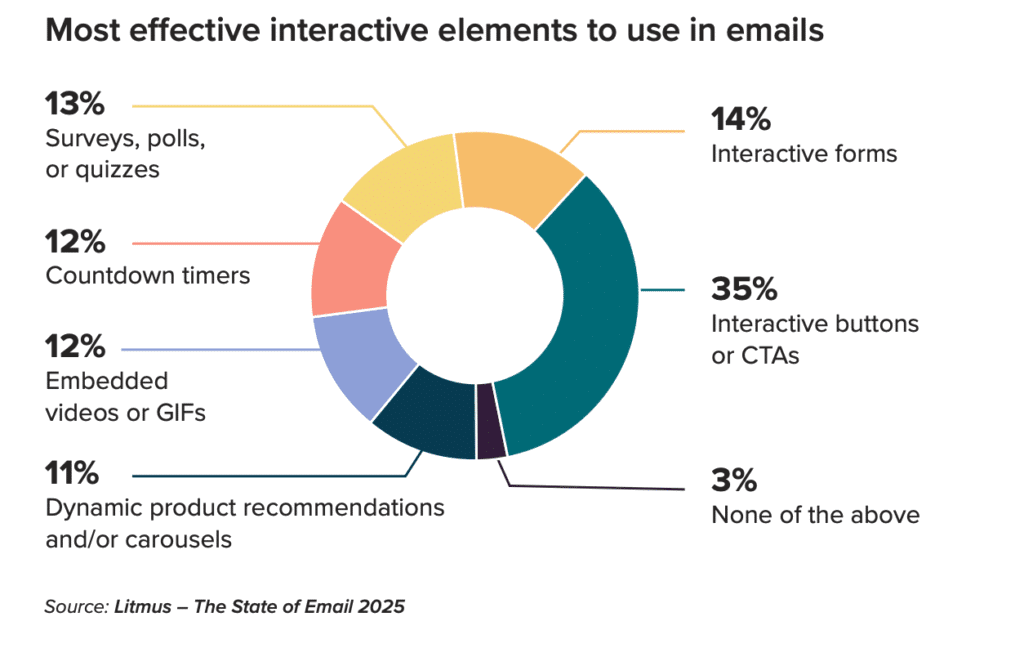
Once you’ve captured your audience’s attention with a strong subject line, the next step is to deliver valuable content that keeps them engaged. Your email content should be clear, concise, and focused on a single call to action (CTA). Whether you’re promoting a product, sharing a blog post, or offering a discount, make sure your CTA is prominently displayed and easy to follow. Use compelling visuals, such as images or videos, to enhance your message and make your emails more visually appealing.
Personalisation and segmentation play a crucial role in crafting email content that converts. By leveraging data from your segmented mailing list, you can create highly targeted and relevant content for each group. This might include personalised product recommendations, tailored offers, or content that addresses specific pain points. Additionally, consider using dynamic content that adapts based on the recipient’s preferences and behaviours. By delivering personalised and relevant content, you can increase engagement and drive higher conversion rates. If you’re not experienced with writing this type of content, you should consider hiring an external copywriter.
Analysing Mailing List Metrics: Open Rates, Click-Through Rates, and More
Analysing your mailing list metrics is essential for understanding the effectiveness of your email marketing campaigns and identifying areas for improvement. Key metrics to track include open rates, click-through rates (CTR), conversion rates, and unsubscribe rates. By regularly monitoring these metrics, you can gain valuable insights into your audience’s behaviour and preferences, allowing you to refine your strategies for better results.
Open rates indicate the percentage of recipients who opened your email. A high open rate suggests that your subject line was effective in capturing attention, while a low open rate may indicate that your subject line needs improvement or that your emails are not reaching your audience’s inbox. To improve open rates, experiment with different subject lines, personalisation techniques, and send times to find what resonates best with your audience.
Click-through rates measure the percentage of recipients who clicked on a link within your email. This metric is a strong indicator of how engaging and relevant your content is. A low CTR may suggest that your content or CTA needs to be more compelling. To boost CTR, focus on creating clear and enticing calls to action, using engaging visuals, and ensuring your content aligns with your audience’s interests and needs. Additionally, A/B testing different elements of your emails, such as subject lines, content, and design, can help identify what works best for driving clicks.
Compliance and Best Practices for Email Marketing
Compliance with email marketing regulations is crucial for maintaining the integrity of your campaigns and avoiding legal repercussions. One of the most important regulations to be aware of is the General Data Protection Regulation (GDPR) or UK GDPR, which applies to businesses that handle the personal data of individuals in the European Union and Britain. Both require businesses to obtain explicit consent from individuals before sending them marketing emails and to provide a clear and easy way for them to unsubscribe.
In addition to GDPR, the CAN-SPAM Act is another important regulation that governs email marketing in the United States. This law requires marketers to include a clear and conspicuous unsubscribe link in every email, honour opt-out requests promptly, and avoid deceptive subject lines and content. Compliance with these regulations not only helps you avoid fines but also builds trust with your audience by demonstrating your commitment to their privacy and preferences.
Best practices for email marketing go beyond compliance and focus on delivering value and respect to your subscribers. This includes maintaining a clean and up-to-date mailing list, sending relevant and personalised content, and respecting your subscribers’ preferences and frequency of communication. Regularly cleaning your list by removing inactive or unengaged subscribers can improve your deliverability and engagement rates. Additionally, segmenting your list and tailoring your messages to each segment’s unique needs can enhance the overall effectiveness of your campaigns.
Tools and Software for Managing Your Mailing Lists
Effective management of your mailing lists requires the right tools and software to streamline the process and maximise your marketing efforts. There are numerous email marketing platforms available, each offering a range of features to help you build, segment, and manage your lists. Some popular options include Mailchimp, Constant Contact, and ActiveCampaign. These platforms provide user-friendly interfaces and robust functionality to support your email marketing needs.
One of the key features to look for in an email marketing platform is automation. Automated workflows can save you time and ensure consistent communication with your audience. For example, you can set up automated welcome emails for new subscribers, drip campaigns to nurture leads, and re-engagement emails for inactive users. Automation allows you to deliver timely and relevant content without the need for manual intervention, improving the overall efficiency of your campaigns.
Another important feature is advanced segmentation and targeting. Look for platforms that offer detailed segmentation options based on demographics, behaviours, and engagement levels. This allows you to create highly targeted campaigns that resonate with specific segments of your audience. Additionally, analytics and reporting tools are essential for tracking the performance of your campaigns and making data-driven decisions. By leveraging the right tools and software, you can effectively manage your mailing lists and optimise your email marketing strategy.
Conclusion: Taking Your Marketing Strategy to the Next Level with Mailing Lists
In conclusion, mailing lists are a powerful tool that can significantly enhance your marketing strategy. By understanding the importance of mailing lists and implementing best practices for building, segmenting, and managing your lists, you can create highly targeted and effective email campaigns that drive engagement and conversions. Lead magnets are a powerful way to elevate your marketing strategy and achieve your business goals. By understanding the importance of mailing lists, choosing the right type for your needs, and implementing effective strategies to build and segment your list, you can create a robust foundation for success. Crafting compelling email content, leveraging automation, and regularly analysing your performance are essential steps to maximise the impact of your email marketing efforts.
Maintaining a healthy mailing list and avoiding common mistakes are crucial for ensuring long-term success. Prioritise quality over quantity, clean your list regularly, and deliver value-driven content that resonates with your audience. By following these best practices and continuously optimising your strategy, you can build a loyal and engaged subscriber base that drives conversions, enhances brand loyalty, and contributes to your overall business growth.
In conclusion, mailing lists are a timeless and effective marketing tool that offers unparalleled opportunities for direct communication, personalisation, and audience engagement. By mastering the art of mailing lists, you can take your marketing strategy to new heights and achieve lasting success in today’s competitive digital landscape. Start implementing these strategies today and unlock the full potential of your mailing list to boost your marketing efforts and drive business growth.