

Building a powerful telemarketing database is essential for reaching the right audience. Discover strategies to enhance your outreach and boost results.
Understanding the Importance of a Telemarketing Database
A robust telemarketing database is the backbone of any successful telemarketing campaign. It serves as a reservoir of potential leads, providing your sales team with a pool of contacts that have a higher likelihood of converting into customers. Without a well-structured and comprehensive database, your sales efforts can become scattered, inefficient, and ultimately ineffective.
The importance of a telemarketing database extends beyond just having contact information. It encompasses the quality and relevance of the data, which directly impacts the success of your outreach efforts. A well-maintained database ensures that your telemarketing team can target the right people at the right time, increasing the chances of engagement and conversion. It also allows for more personalised and tailored interactions, which can significantly enhance the customer experience.
Moreover, a powerful telemarketing database is crucial for maximising the return on investment (ROI) of your marketing efforts. By focusing on quality leads and segmenting your audience effectively, you can reduce wasted resources and allocate your budget more efficiently. This not only improves your campaign’s performance but also helps in building long-term relationships with your prospects and customers.
Key Components of a Successful Telemarketing Database
A successful telemarketing database is built on several key components that work together to create a comprehensive and effective tool for your sales team. The first component is accurate and up-to-date contact information. This includes not only phone numbers but also email addresses, physical addresses, and social media profiles. Having multiple points of contact ensures that you can reach your prospects through their preferred communication channels.
Another critical component is detailed demographic and psychographic data. This information helps you understand your audience better and tailor your messaging to their specific needs and preferences. Demographic data includes age, gender, income level, and education, while psychographic data encompasses interests, values, and lifestyle choices. Together, these data points provide a holistic view of your prospects, enabling more targeted and effective outreach.
The third component is behavioural data, which tracks the interactions and engagement of your prospects with your brand. This includes information on past purchases, website visits, email opens, and social media interactions. By analysing this data, you can identify patterns and trends that can inform your telemarketing strategy. For example, you can prioritise leads that have shown a high level of interest in your products or services, increasing the likelihood of conversion.
Strategies for Collecting Quality Leads
Collecting quality leads is the foundation of building a powerful telemarketing database. One effective strategy is to leverage online forms and landing pages on your website. By offering valuable content such as eBooks, whitepapers, or webinars in exchange for contact information, you can attract prospects who are genuinely interested in your offerings. Ensure that your forms are easy to fill out and do not ask for too much information upfront, as this can deter potential leads.
Another strategy is to use social media platforms to collect leads. Social media channels offer various tools and features that can help you capture contact information from your followers and visitors. For example, you can run targeted ad campaigns with lead generation forms, host live events or Q&A sessions, and use social media listening tools to identify potential leads based on their interactions and mentions related to your industry.
Networking and attending industry events are also valuable methods for collecting quality leads. Conferences, trade shows, and seminars provide opportunities to connect with potential customers and industry influencers. By engaging in meaningful conversations and exchanging contact information, you can build a list of leads who are likely to have a genuine interest in your products or services. Follow up with these contacts promptly to maintain the momentum and nurture the relationship.
Data Segmentation Techniques for Targeted Campaigns
Data segmentation is a crucial step in optimising your telemarketing efforts. By dividing your database into smaller, more manageable segments, you can create highly targeted campaigns that resonate with specific groups of prospects. One common segmentation technique is demographic segmentation, which involves categorising your leads based on age, gender, income, education, and other demographic factors. This allows you to tailor your messaging to the unique characteristics of each segment.
Another effective segmentation technique is behavioural segmentation. This approach focuses on the actions and behaviours of your prospects, such as their purchasing history, website activity, email engagement, and social media interactions. By analysing this data, you can identify patterns and trends that indicate a prospect’s level of interest and readiness to buy. For example, you can create segments for leads who have made recent purchases, visited your website multiple times, or engaged with your email campaigns.
Psychographic segmentation is another powerful technique that involves categorising leads based on their interests, values, attitudes, and lifestyle choices. This information helps you understand the motivations and preferences of your prospects, allowing you to create personalised and relevant messaging. For instance, if you know that a segment of your audience values sustainability and eco-friendly products, you can highlight these aspects in your telemarketing campaigns to increase engagement and conversions.
Tools and Software for Database Management
Effective database management is essential for maintaining the integrity and efficiency of your telemarketing database. Several tools and software solutions can help you streamline this process and ensure that your data remains accurate and up-to-date. Customer Relationship Management (CRM) systems are one of the most popular tools for database management. CRMs allow you to store, organise, and manage your leads and customer information in a centralised location, making it easy to access and update data as needed.
Marketing automation platforms are another valuable tool for database management. These platforms enable you to automate various marketing tasks, such as email campaigns, lead nurturing, and data segmentation. By automating these processes, you can save time and resources while ensuring that your telemarketing campaigns are executed consistently and efficiently. Additionally, marketing automation platforms often include analytics and reporting features that provide insights into the performance of your campaigns.
Data cleaning and enrichment tools are also essential for maintaining the quality of your telemarketing database. These tools help you identify and correct inaccuracies, remove duplicate entries, and fill in missing information. Regularly cleaning and enriching your database ensures that your data remains accurate and reliable, which is critical for the success of your telemarketing efforts. By investing in these tools, you can improve the overall effectiveness of your database and enhance your outreach efforts.
Ensuring Data Accuracy and Compliance
Maintaining data accuracy is crucial for the success of your telemarketing database. Inaccurate or outdated information can lead to wasted resources, missed opportunities, and potential damage to your brand’s reputation. One effective way to ensure data accuracy is to implement regular data audits. These audits involve reviewing your database for any errors, inconsistencies, or outdated information and making the necessary updates. By conducting regular audits, you can maintain the integrity of your data and improve the effectiveness of your telemarketing campaigns.
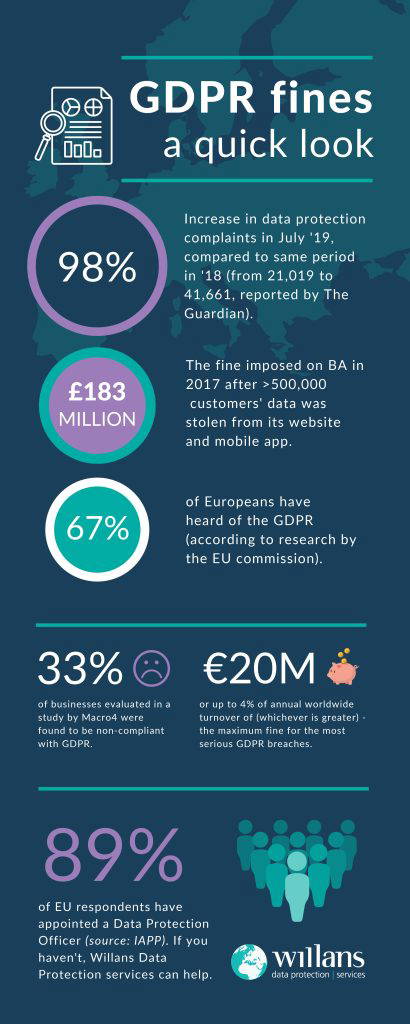
Compliance with data protection regulations is another critical aspect of managing your telemarketing database. Regulations such as the EU General Data Protection Regulation (GDPR), UK GDPR and the California Consumer Privacy Act (CCPA) have established strict guidelines for the collection, storage, and use of personal data. To ensure compliance, it is essential to understand the requirements of these regulations and implement the necessary measures to protect your data. This includes obtaining explicit consent from your leads, providing them with the option to opt-out, and ensuring that their data is stored securely.
Training your telemarketing team on data accuracy and compliance is also essential. Your team should be aware of the importance of maintaining accurate data and the potential consequences of non-compliance with data protection regulations. Provide them with the necessary tools and resources to update and manage the database effectively. Regular training sessions and updates on data protection regulations can help ensure that your team remains vigilant and committed to maintaining data accuracy and compliance.
If you’re operating in the UK and running a telemarketing campaign, you will also need to be aware of the TPS/CTPS registers. These are the official DNC registers for consumers and businesses in the UK respectively.
Integrating Your Telemarketing Database with Other Marketing Channels
Integrating your telemarketing database with other marketing channels can significantly enhance the effectiveness of your outreach efforts. By creating a cohesive and unified marketing strategy, you can ensure that your messaging is consistent and reinforces your brand’s value proposition across all touchpoints. One way to achieve this integration is by using a CRM system that connects your telemarketing database with your email marketing, social media, and other marketing channels. This allows you to track interactions and engagement across different channels and create a comprehensive view of your prospects and customers.
Cross-channel integration also enables you to create more personalised and targeted campaigns. For example, you can use data from your email marketing campaigns to inform your telemarketing efforts. If a prospect has shown interest in a particular product or service through email engagement, your telemarketing team can follow up with a personalised call to provide more information and address any questions or concerns. This level of personalisation can significantly increase the chances of conversion and build stronger relationships with your prospects.
Another benefit of integrating your telemarketing database with other marketing channels is the ability to track and measure the effectiveness of your campaigns more accurately. By combining data from different channels, you can gain deeper insights into your prospects’ behaviour and preferences. This information can help you refine your marketing strategies and allocate your resources more effectively. Additionally, integrated analytics and reporting tools can provide you with a holistic view of your marketing performance, allowing you to make data-driven decisions and continuously improve your campaigns.
Measuring the Effectiveness of Your Telemarketing Database
Measuring the effectiveness of your telemarketing database is essential for understanding the impact of your efforts and identifying areas for improvement. One key metric to track is the conversion rate, which measures the percentage of leads that convert into customers. A high conversion rate indicates that your telemarketing database is effectively targeting the right audience and that your outreach efforts are resonating with your prospects. Analysing your conversion rate can help you identify successful strategies and areas that need improvement.

Another important metric is the engagement rate, which measures the level of interaction and engagement of your prospects with your telemarketing efforts. This includes metrics such as call duration, the number of follow-up calls, and the response rate to your calls. A high engagement rate suggests that your telemarketing team is effectively engaging with prospects and building meaningful relationships. Monitoring this metric can help you identify the most effective communication techniques and improve your overall outreach strategy.
The cost per lead (CPL) is also a crucial metric to consider. This measures the total cost of acquiring a lead through your telemarketing efforts. By analysing your CPL, you can evaluate the efficiency and cost-effectiveness of your telemarketing campaigns. A low CPL indicates that your campaigns are generating leads at a reasonable cost, while a high CPL suggests that there may be inefficiencies in your process. By optimising your telemarketing strategies and focusing on high-quality leads, you can reduce your CPL and improve your return on investment.
Common Mistakes to Avoid When Building Your Database
Building a powerful telemarketing database requires careful planning and execution. However, there are several common mistakes that can hinder your efforts and reduce the effectiveness of your database. One common mistake is failing to prioritise data quality over quantity. While it may be tempting to collect as many leads as possible, focusing on the quality of your data is far more important. High-quality leads that are genuinely interested in your products or services are more likely to convert and provide long-term value for your business.
Another mistake is neglecting regular data maintenance and updates. Over time, data can become outdated or inaccurate, which can negatively impact your telemarketing efforts. Failing to regularly clean and update your database can lead to wasted resources and missed opportunities. Implementing regular data audits and using data cleaning tools can help you maintain the accuracy and reliability of your database.
Ignoring data protection regulations is also a critical mistake that can have serious consequences for your business. Non-compliance with regulations such as GDPR and CCPA can result in hefty fines and damage to your brand’s reputation. It is essential to understand the requirements of these regulations and implement the necessary measures to ensure compliance. This includes obtaining explicit consent from your leads, creating legitimate interest and data protection impact assessments, providing them with the option to opt-out, and ensuring that their data is stored securely.
Conclusion: Best Practices for a Robust Telemarketing Database
Building a powerful telemarketing database requires a strategic approach and a commitment to maintaining data quality and accuracy. By understanding the importance of a telemarketing database and focusing on key components such as accurate contact information, demographic and psychographic data, and behavioural data, you can create a comprehensive and effective tool for your sales team. Implementing strategies for collecting quality leads, such as leveraging online forms, social media, and networking, can help you build a database of genuinely interested prospects.
Data segmentation is essential for creating targeted campaigns that resonate with specific groups of prospects. By using demographic, behavioural, and psychographic segmentation techniques, you can tailor your messaging to the unique characteristics and preferences of each segment. Investing in tools and software for database management, such as CRM systems, marketing automation platforms, and data cleaning tools, can help you streamline your processes and maintain the quality of your data.
Ensuring data accuracy and compliance with data protection regulations is critical for the success of your telemarketing database. Regular data audits, training your team, and implementing the necessary measures to protect your data can help you maintain the integrity of your database. Integrating your telemarketing database with other marketing channels can enhance the effectiveness of your outreach efforts and provide a comprehensive view of your prospects and customers. Measuring the effectiveness of your database through key metrics such as conversion rate, engagement rate, and cost per lead can help you optimise your strategies and continuously improve your campaigns.
By avoiding common mistakes such as prioritising quantity over quality, neglecting data maintenance, and ignoring data protection regulations, you can build a robust telemarketing database that drives results and supports your business’s growth. Following these best practices and continuously refining your approach can help you create a powerful telemarketing database that maximises your outreach efforts and boosts your overall marketing performance.