

Unlock the secret to marketing success with effective direct marketing lists. Discover strategies to build and optimise your target audience today!
Understanding Direct Marketing Lists
In the bustling world of marketing, direct marketing lists serve as the backbone for many campaigns. These lists, essentially databases of potential customers, are carefully curated to ensure your marketing messages reach the right audience. Direct marketing lists can include email addresses, physical mailing addresses, phone numbers, or even social media handles. The primary goal is to connect with individuals who are most likely to be interested in your product or service, thereby optimising your marketing efforts and resources. You can also get these direct marketing lists, as B2B Data or B2C Data.
The creation of a direct marketing list is not a one-time event but an ongoing process. It requires continuous updating and refining to ensure the data remains relevant and useful. This involves adding new contacts, removing outdated or incorrect information, and segmenting the list to target different demographics or interests. The effectiveness of a direct marketing list can significantly impact the success of a marketing campaign, making it a critical component of any marketing strategy.
Direct marketing lists are more than just a collection of names and contact details; they represent potential relationships and opportunities. By understanding who your audience is and what they want, you can craft more personalised and effective marketing messages. This not only improves the chances of converting leads into customers but also enhances customer satisfaction and loyalty. In essence, a well-maintained direct marketing list is a powerful tool for achieving marketing success.
The Importance of Targeted Marketing
Targeted marketing, as the name suggests, involves directing your marketing efforts towards a specific group of consumers or businesses. This approach is far more efficient and effective than general marketing strategies that aim to reach as many people as possible. By focusing on a targeted audience, you can tailor your messages to resonate with their specific needs, preferences, and behaviours. This increases the likelihood of engagement and conversion, ultimately driving more sales and revenue.
One of the key benefits of targeted marketing is that it allows for more personalised communication. When you understand the demographics, interests, and purchasing behaviour of your audience, you can create marketing messages that speak directly to them. This personalisation not only captures their attention but also builds trust and loyalty. Consumers are more likely to engage with brands that understand their needs and provide relevant solutions.
Moreover, targeted marketing helps in optimising your marketing budget. By focusing your efforts on a specific audience, you can allocate your resources more effectively, reducing waste and increasing the return on investment. Instead of spending money on broad campaigns that may or may not reach interested consumers, you can invest in targeted strategies that are more likely to yield positive results. In today’s competitive market, targeted marketing is essential for standing out and achieving success.
Key Elements of an Effective Direct Marketing List
An effective direct marketing list is built on several key elements that ensure its relevance and usefulness. The first element is accuracy. The information on your list must be correct and up-to-date to avoid wasting resources on undeliverable messages. This includes verifying email addresses, phone numbers, and mailing addresses, as well as ensuring that the names and other personal details are accurate.
Another crucial element is relevance. Your direct marketing list should consist of individuals who are genuinely interested in your products or services. This can be achieved by targeting specific demographics, industries, or interests that align with your offerings. For example, if you sell fitness equipment, your list should include individuals who are interested in health and fitness. Relevance ensures that your marketing messages are more likely to resonate with the recipients and drive engagement.
Segmentation is also a vital component of an effective direct marketing list. By dividing your list into smaller segments based on specific criteria, such as age, location, buying behaviour, or interests, you can create more targeted and personalised campaigns. This not only improves the effectiveness of your marketing efforts but also enhances the overall customer experience. Segmentation allows you to send the right message to the right people at the right time, increasing the chances of conversion.
Methods for Gathering Contacts
Building a direct marketing list requires effective methods for gathering contacts. One of the most common methods is through online forms. These forms can be placed on your website, social media pages, or landing pages, and can be used to collect information such as names, email addresses, and phone numbers. Offering incentives, such as discounts, free trials, or exclusive content, can encourage visitors to provide their contact details.
Another effective method is through events and trade shows. These events provide an excellent opportunity to connect with potential customers face-to-face and collect their contact information. You can set up a booth or a kiosk where attendees can sign up for newsletters, enter contests, or request more information about your products or services. Networking and building relationships at these events can also lead to valuable business contacts.
Partnerships and collaborations with other businesses can also help in gathering contacts. By partnering with complementary businesses, you can reach a broader audience and collect contact information from individuals who are interested in related products or services. For example, if you sell skincare products, you could partner with a beauty salon or a wellness spa to gather contacts from their customer base. Collaborative efforts can significantly expand your reach and enhance your direct marketing list.
Segmenting Your Direct Marketing List
Segmenting your direct marketing list is a powerful strategy that can significantly enhance the effectiveness of your marketing campaigns. Segmentation involves dividing your list into smaller, more targeted groups based on specific criteria. These criteria can include demographics, geographic location, purchasing behavior, interests, or engagement levels. By segmenting your list, you can create more personalized and relevant marketing messages that resonate with each group.
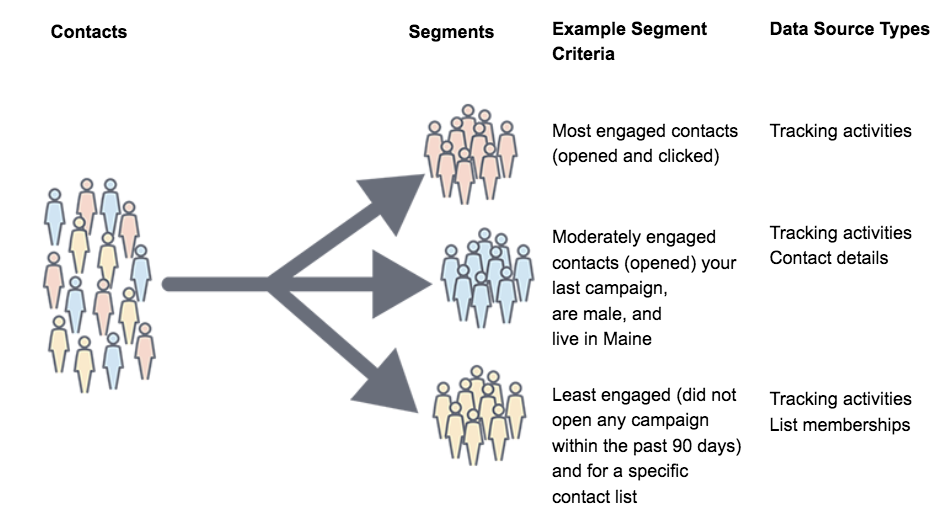
One common method of segmentation is by demographics. This involves dividing your list based on characteristics such as age, gender, income level, education, or occupation. Different demographic groups may have varying needs and preferences, and tailoring your messages to each group can increase engagement and conversion rates. For example, a marketing campaign targeting young professionals may focus on career growth and lifestyle products, while a campaign targeting retirees may emphasize health and leisure activities.
Behavioural segmentation is another effective approach. This involves dividing your list based on the behaviour and actions of your contacts, such as their purchasing history, website activity, or engagement with previous marketing campaigns. By understanding the behaviour of your audience, you can create more targeted and timely messages. For example, if a customer has recently purchased a product, you can send follow-up emails with related product recommendations or special offers. Behavioural segmentation helps in delivering the right message at the right time, increasing the chances of conversion.
Best Practices for List Maintenance and Hygiene
Maintaining the health and hygiene of your direct marketing list is crucial for ensuring its effectiveness. One of the best practices for list maintenance is regular data cleaning. This involves removing duplicate entries, correcting inaccuracies, and eliminating outdated or inactive contacts. Regular data cleaning helps in keeping your list accurate and up-to-date, reducing the chances of sending messages to incorrect or non-existent addresses.
Another important practice is to regularly update your list with new contacts. This can be achieved by continuously collecting contact information through various methods, such as online forms, events, and partnerships. Adding new contacts ensures that your list remains fresh and relevant, and helps in expanding your reach. Additionally, it’s important to regularly segment your list based on the latest data to ensure that your marketing messages remain targeted and personalized.
Monitoring and analysing the performance of your direct marketing campaigns is also essential for list maintenance. By tracking key metrics, such as open rates, click-through rates, and conversion rates, you can identify patterns and trends in your audience’s behaviour. This information can be used to refine your list and improve your marketing strategies. For example, if you notice that a particular segment of your list is consistently unresponsive, you may need to re-evaluate your targeting criteria or adjust your messaging. Regular monitoring and analysis help in maintaining the effectiveness of your direct marketing list.
Tools and Software for Building Direct Marketing Lists
There are various tools and software available that can help in building and managing direct marketing lists. Customer Relationship Management (CRM) systems, such as Salesforce, HubSpot, and Zoho CRM, provide comprehensive solutions for collecting, organizing, and analysing customer data. These systems offer features such as contact management, segmentation, lead scoring, and automated marketing campaigns, making it easier to build and maintain effective direct marketing lists.
Email marketing platforms, such as Mailchimp, Constant Contact, and AWeber, are also valuable tools for building direct marketing lists. These platforms allow you to create and send email campaigns, manage subscriber lists, and track the performance of your emails. They also offer features such as automation, segmentation, and personalization, which can enhance the effectiveness of your marketing efforts. By using email marketing platforms, you can streamline your list-building process and improve your overall marketing strategy.
Data enrichment tools, such as Clearbit, ZoomInfo, and FullContact, can help in enhancing the quality of your direct marketing list. These tools provide additional information about your contacts, such as job titles, company names, social media profiles, and more. This enriched data can be used to create more targeted and personalized marketing messages. Additionally, data enrichment tools can help in verifying and cleaning your list, ensuring that the information is accurate and up-to-date. By leveraging these tools, you can build a more effective and valuable direct marketing list.
Legal Considerations in Direct Marketing
When building and using direct marketing lists, it’s essential to comply with legal regulations to avoid potential penalties and maintain the trust of your audience. One of the key regulations to be aware of is the General Data Protection Regulation (GDPR) in the European Union. The GDPR sets strict guidelines for collecting, processing, and storing personal data, and requires businesses to obtain explicit consent from individuals before adding them to a marketing list. Non-compliance with GDPR can result in significant fines and damage to your reputation. The UK has incorporated the GDPR into law, with the UK GDPR and DPA 2018. Furthermore, in the UK, you are required to cleanse any telemarketing data against the TPS/CTPS registers (the UK’s official DNC list) every 28 days to make sure it is legal to call.
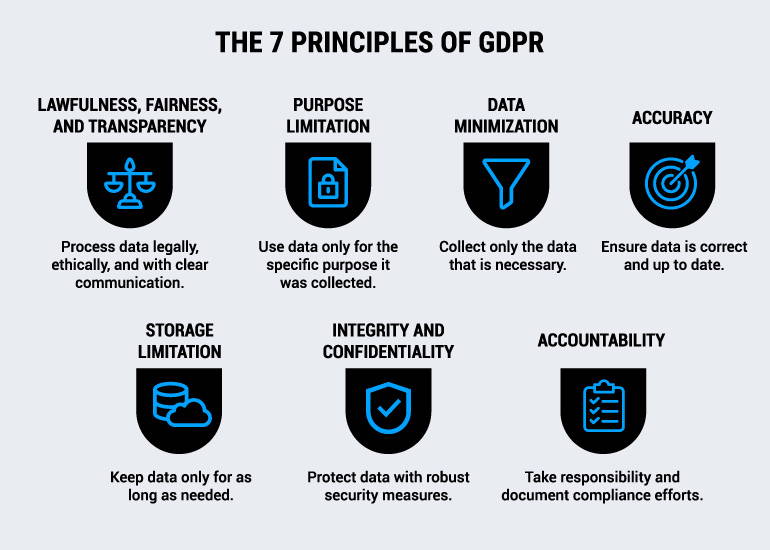
In addition to GDPR, there are other regulations that govern direct marketing practices in different regions. In the United States, the CAN-SPAM Act sets rules for commercial emails, including requirements for clear identification, opt-out mechanisms, and accurate subject lines. The Telephone Consumer Protection Act (TCPA) regulates telemarketing calls and text messages. It’s important to familiarize yourself with the relevant regulations in your region and ensure that your direct marketing practices comply with these laws.
Obtaining consent from your contacts is a fundamental aspect of legal compliance in direct marketing. This involves providing clear and transparent information about how their data will be used and giving them the option to opt-in or opt-out of receiving marketing messages. Maintaining records of consent and regularly reviewing your consent practices can help in demonstrating compliance with legal requirements. By adhering to legal considerations, you can build a trustworthy and ethical direct marketing list.
Measuring the Success of Your Direct Marketing Campaigns
Measuring the success of your direct marketing campaigns is crucial for understanding the effectiveness of your strategies and making data-driven decisions. One of the primary metrics to track is the response rate, which indicates the percentage of recipients who engage with your marketing message. This can include actions such as opening an email, clicking on a link, or responding to a call-to-action. A high response rate suggests that your message is resonating with your audience and driving engagement.
Conversion rate is another important metric to measure. This indicates the percentage of recipients who take the desired action, such as making a purchase, signing up for a newsletter, or filling out a contact form. By tracking conversion rates, you can determine the overall success of your campaign and identify areas for improvement. For example, if your conversion rate is low, you may need to re-evaluate your targeting criteria, messaging, or call-to-action to increase effectiveness.
Return on investment (ROI) is a critical measure of the financial success of your direct marketing campaigns. ROI calculates the revenue generated from your marketing efforts relative to the cost of the campaign. A positive ROI indicates that your campaign is profitable, while a negative ROI suggests that you may need to adjust your strategy to achieve better results. By regularly monitoring and analysing these metrics, you can optimise your direct marketing efforts and achieve greater success.
Conclusion and Next Steps for Success
In conclusion, building effective direct marketing lists is a fundamental aspect of achieving marketing success. By understanding the importance of targeted marketing, focusing on key elements of an effective list, and employing various methods for gathering contacts, you can create a valuable and relevant direct marketing list. Segmenting your list, maintaining its hygiene, and leveraging tools and software can further enhance its effectiveness.
It’s also essential to comply with legal considerations and obtain consent from your contacts to ensure ethical and trustworthy marketing practices. By measuring the success of your direct marketing campaigns and making data-driven decisions, you can continuously improve your strategies and achieve better results. Building a strong direct marketing list is an ongoing process that requires dedication, but the rewards in terms of increased engagement, conversions, and revenue are well worth the effort.
As you move forward, consider implementing the strategies and best practices discussed in this article. Regularly update and refine your direct marketing list, segment your audience for more personalised messaging, and track key metrics to measure success. By doing so, you can unlock the full potential of your direct marketing efforts and achieve greater success in your marketing campaigns. The journey to marketing success begins with building an effective direct marketing list, and the steps you take today will pave the way for future growth and achievement. Contact us if you need help with this.